Apple’s New CEO Has a Background in VR Headsets, But is Reportedly Bearish on Vision Pro

6

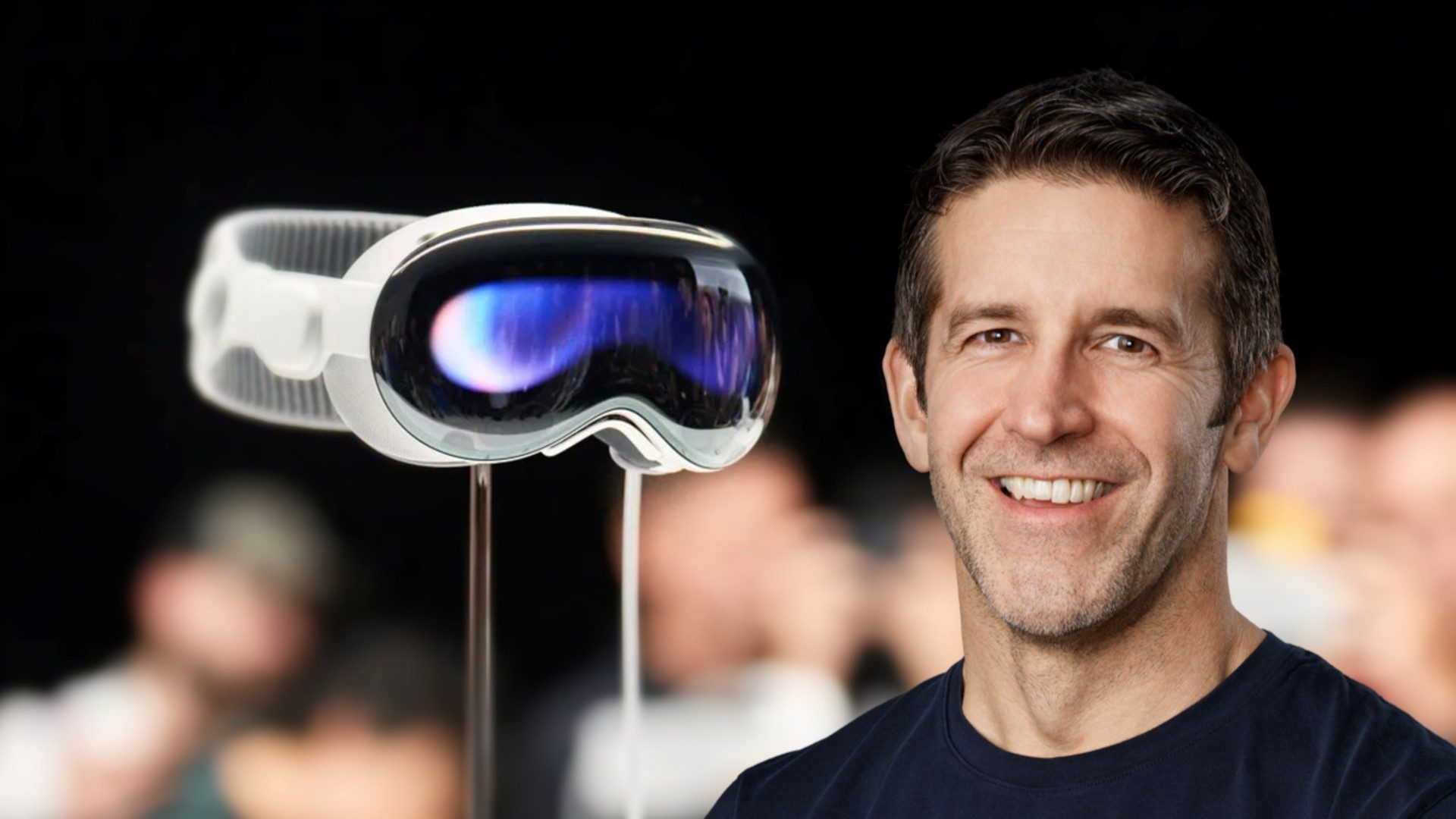
Apple announced that CEO Tim Cook is stepping down, and John Ternus, a long-time Apple veteran, is set to take his place. As head of hardware engineering, Ternus oversaw the launch of Vision Pro in addition to a slew of core Apple products over the years, although the new CEO may have some reservations about the company’s premium XR headset moving forward.

Fresh out of the University of Pennsylvania, where he majored in mechanical engineering, the soon-to-be Apple CEO actually did a four-year stint at Virtual Research Systems, a now-defunct hardware company making some of the first commercially available VR headsets.

Virtual Research’s PC VR headsets were decidedly of a different era, although they helped spark the latest generation. Just three years prior to the release of Oculus Rift DK1, in 2010 Oculus founder Palmer Luckey even called an owner of a Virtual Research V8 a “lucky bastard”, noting the device’s 60-degree field-of-view was “pretty fantastic” more than a decade after the headset’s release.
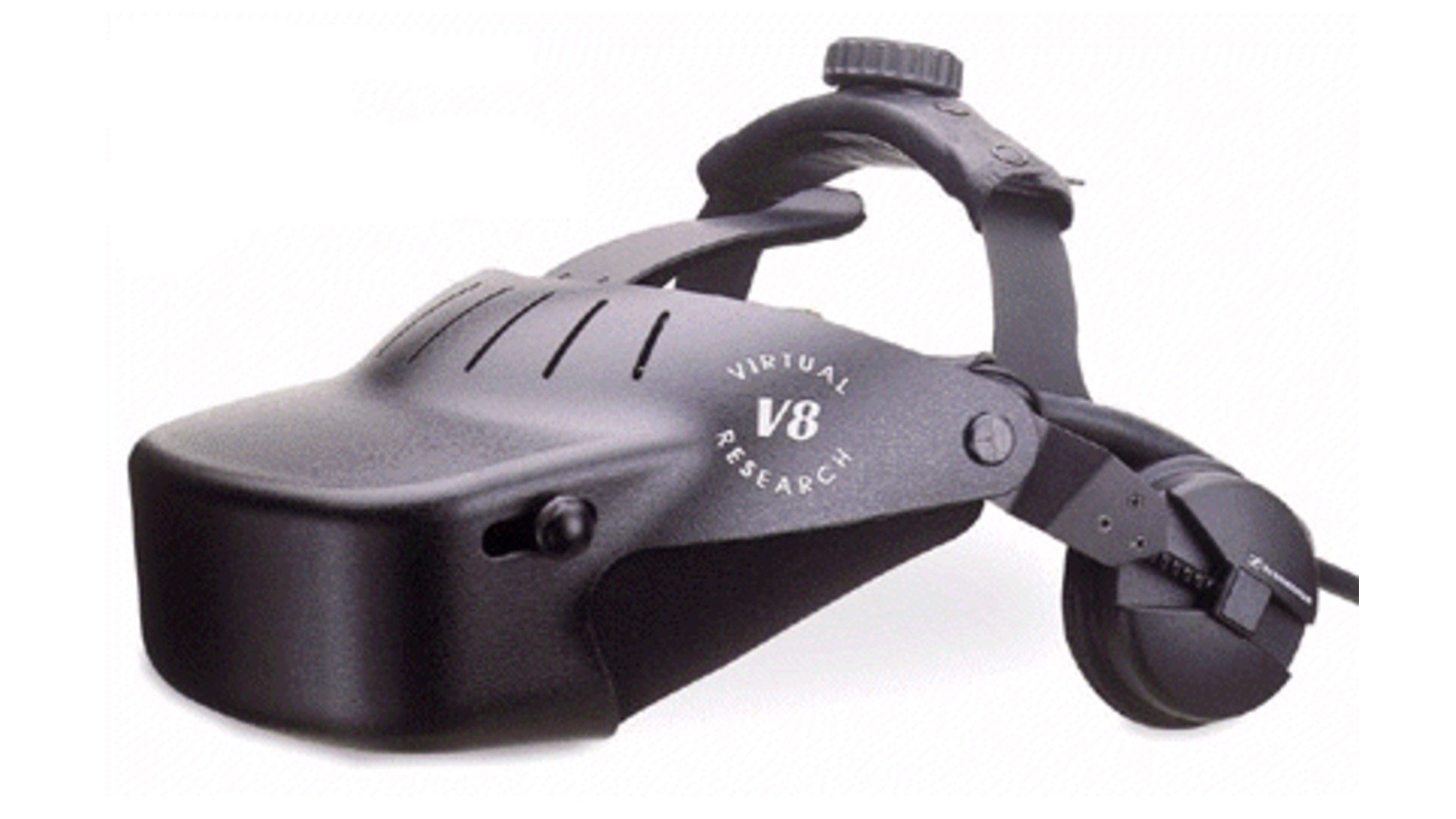
Virtual Reality Systems V8 | Image courtesy ResearchGate

Notably, as Ternus was a mechanical engineer at Virtual Research Systems from 1997-2001, he likely worked on the V8, which came out at the tail end of the VR craze of the ’90s.

Leaving Virtual Research Systems in 2001 for Apple, Ternus worked his way up through a number of the company’s hardware teams, contributing to the development of multiple generations of core products, including iPhone, iPad, and Mac.

His biggest role came in 2021, when Ternus became Apple’s Senior Vice President of Hardware Engineering, taking over from Dan Riccio. As a result, Ternus also inherited the company’s long-term gamble in XR, which spanned more than a decade in the making, as he oversaw Vision Pro’s launch in 2023.
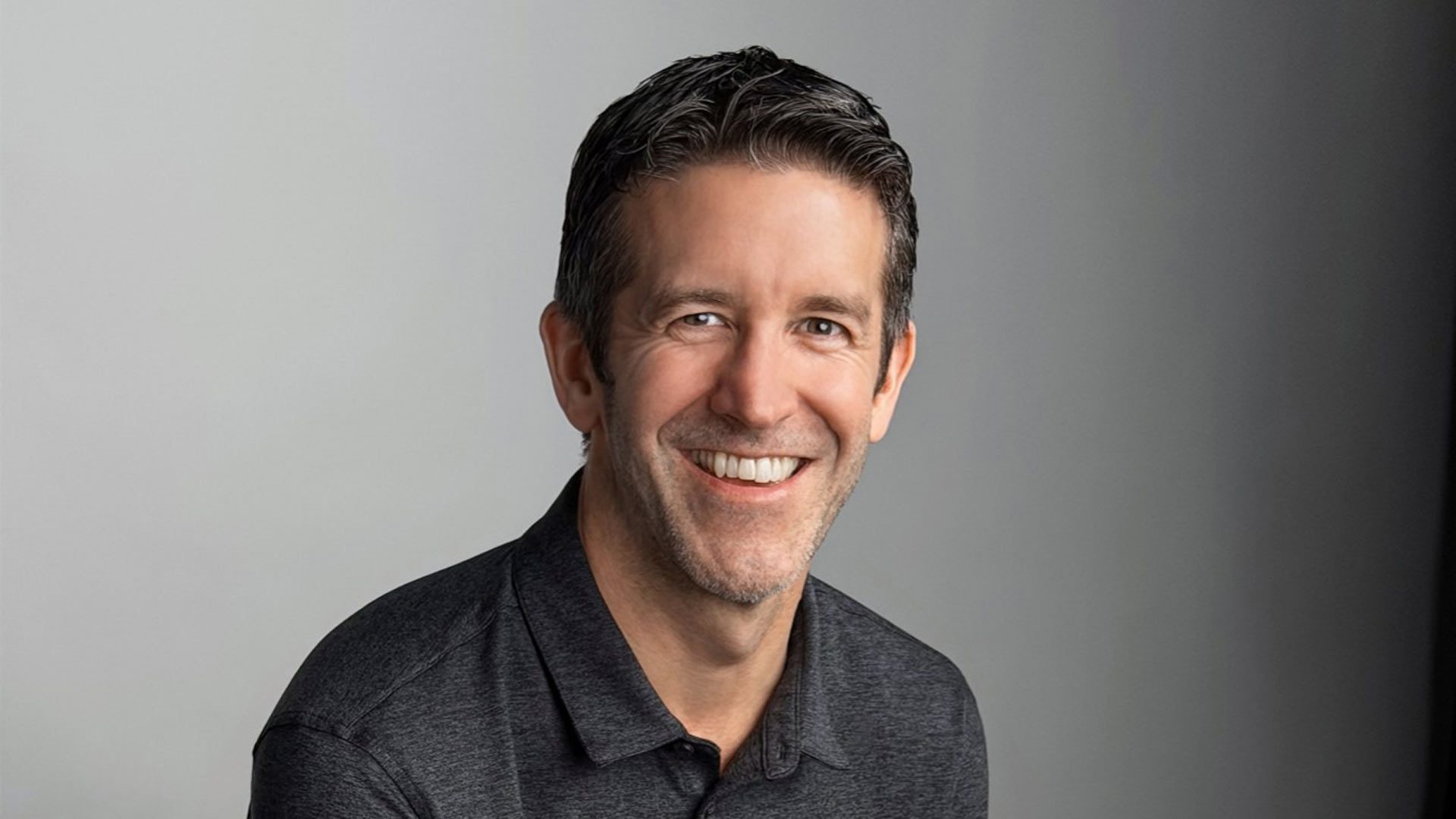
John Ternus | Image courtesy Apple

Still, despite his XR lineage, Ternus seems to be skeptical of Vision Pro’s place in Apple’s lineup.

As mentioned by Bloomberg’s Mark Gurman last month, Ternus has shown some trepidation around Apple’s previous moves in the past, including the now-cancelled Apple Car project as well as Vision Pro, which has underperformed relative to other hardware launched under Ternus, including the Apple Watch and AirPods.

SEE ALSO
'Black Mirror' to Bring Show's Tech Dystopia to Life in New Location-based VR Experience

“When the company has taken swings at big new product categories in recent years, Ternus has often been in the conservative camp,” Gurman says. “He was circumspect about Apple building a car, fearing it would distract the company, drain profits and pull engineers from core products. He was similarly wary of the mixed-reality headset that became the Vision Pro, drawing on his experience of trying to create a virtual-reality head-worn device at a startup in the 1990s. In both of those cases his skepticism was prescient. Apple eventually killed the car, and the Vision Pro has been a bust.”

Slated to take over as CEO once Cook officially steps down this summer, he’s also inheriting the company’s years-long efforts in developing AR glasses, which Cook reportedly hopes they can release before Meta.

“Tim cares about nothing else,” Bloomberg reported last year. “It’s the only thing he’s really spending his time on from a product development standpoint.”

Apple Vision Pro (M5) | Image courtesy Apple

It remains to be seen just how enthusiastic Apple’s new CEO will be on pushing those segment-defining XR devices though. Heading into the second half of the decade, the Cupertino tech giant is ostensibly now balancing ambitions across more segments than ever, including the new consumer-friendly Mac Neo ($600) which is making headway in stripping market share from a host of mid-tier Windows laptops.

Meanwhile, the company’s XR hardware roadmap may be taking a slightly unexpected turn. Last month a separate report from Gurman detailed a move by Apple to more heavily invest in a competitor to Ray-Ban Meta smart glasses—a stark departure from Apple’s initial XR strategy, which supposedly include three distinct categories: an iPhone-tethered AR headset with wireless controller, a high-end mixed reality headset, and standalone AR glasses.

Whatever the case, Ternus’s entry as CEO marks a decisive next chapter for the company. And we’ll be watching to see how he ultimately views Vision Pro, be it a dead end or a launchpad to sleeker, more consumer-friendly XR devices in the future. As it is, we’re still waiting to hear more about the reported follow-ups to Vision Pro, which supply chain leaks suggest could include two new headsets.

This article may contain affiliate links. If you click an affiliate link and buy a product we may receive a small commission which helps support the publication. See here for more information.

Well before the first modern XR products hit the market, Scott recognized the potential of the technology and set out to understand and document its growth. He has been professionally reporting on the space for nearly a decade as Editor at Road to VR, authoring more than 4,000 articles on the topic. Scott brings that seasoned insight to his reporting from major industry events across the globe.
  • sjefdeklerk

    Yeah can't blame him, it's hard to be bullish on VR, the field seems completely dead. I stilll believe in VR, strongly even so, but I also see that hardware has to become better and cheaper for it to become a success. Which will probably take several years.

    • Leisure Suit Barry

      It's worse than dead. At least if it was dead then we could get a hard reset in several years

      Instead it's in a coma, just dragging along like a 3 legged dog

  • Christian Schildwaechter

    TL;DR: the Apple Vision Pro is here to stay

    Virtual Research's Flight Helmet was the first VR HMD I tried, sometimes in the early 90s on a techno and media exhibition. I don't recall what I actually saw, or the impression the 320*240/eye stretched over 100° diagonally left. My main memory is this thing being very heavy, because it was literally a steel helmet with the optics attached at the front, bringing it to 3x the weight of a Quest 3 without the cable, and 4x with. I never got to try the successor V8, pictured above and referenced by Luckey, but it was apparently a big improvement doubling the horizontal resolution, halving the weight and reducing the FoV to 60°, so the virtual world no longer looked like Minecraft.

    Apple's future CEO John Ternus wasn't the only one skeptical about AVP at Apple. Apparently the Vision Pro design team itself thought that it was too early to release it, with the tech still to clunky to be usable as a consumer product. But Tim Cook decided that 2023 would be the year they introduces it to the world. The result was a device that managed to deliver the baseline Vision experience they were aiming for, but at an extremely high price point and excessively high weight, due to all the tech this still required, limiting it mosty to developers, first movers and enterprise customers.

    Cook overruling the design team may have been driven both by Facebook betting heavily on XR and the Metaverse, rebranding itself to Meta in 2021, and pushing for Mixed Reality with the 2023 Quest 3, as well as wanting to launch a new Apple product category before he retired, one that wasn't just mostly an upgrade like the Macbooks getting Apple Silicon previously only used in iPhones or the Apple Watch, both initiatives already started under Steve Jobs.

    Given Ternus' VR background, I'd suspect that he isn't opposed to the idea of XR/VR in general, and instead just thinks that it is still too early simply because the tech isn't ready. And with all the discussions about VR needing to get to a form factor similar to smartglasses before it might become attractive to the mass market and regular consumers, that's a valid point of view for a company that expects tens or hundreds of millions in unit sales. Apple is still investing heavily into media for AVP, keeps pushing OS updates that really benefit the users, and updated AVP to the M5 for enterprise users, making it the most powerful standalone HMD by far. And Tim Cook isn't leaving Apple, he just steps down as CEO and becomes a member of the board instead. So the Vision line will very likely stay, and hopefully see much cheaper and lighter versions under Ternus, who is said to have a similar focus on usability as Jobs. The recently released Macbook Neo using a binned version of the A18 Pro SoC from the iPhone 16 Pro to bring down cost while improving repairability, receiving universal praise, may acutally be a good template for future Apple Vision HMDs.

  • xyzs

    Then make it not weigh a TON by packing useless bs such as a fake eye screen on it, and reduce the price by removing stupid bs such as mentioned screen or the all in one glass shell or integrated speaker (use airpods pro for sound), and it may have a future.

    The guys released an unusable, overweighted overpriced product never updated decently yet and are like “hum, people don’t like VR that much” … no we don’t like what you did with VR and how stupidly expensive you try to sell it for !

  • VR Slut

    This article is quoting hearsay by Gurman about Ternus being skeptical about AVP at Apple. The fact that he worked on the V8 is great news because he should be well aware how Occulus and Meta have been wrecking VR for over a decade and will now have the power to help Apple make VR even better.

    • Andrew Jakobs

      Wrecking sounds negative, as it sure thanx to Meta VR is still around. They did a much better job at getting VR along as any other VR company, especially by making it affordable and wireless (anything with a cable is actually wrecking VR for me).