
XR Startup Lynx Appears to Enter Liquidation Proceedings Ahead of R2 Headset Launch

12

The company behind Lynx has entered liquidation proceedings ahead of launch of its upcoming Lynx-R2 XR headset, which is targeted at both consumers and enterprise.

According to French court documents, SL Process, the company behind Lynx, has officially entered judicial liquidation following a ruling by the Economic Activities Court of Nanterre, France.

The legal notice was published on the Official Bulletin of Civil and Commercial Advertisements (BODACC), the country’s public bulletin wherein binding legal status changes are published.

Under French insolvency law, judicial liquidation essentially means restructuring efforts have failed and survival is no longer viable, as assets and IP are typically sold off to cover debts.
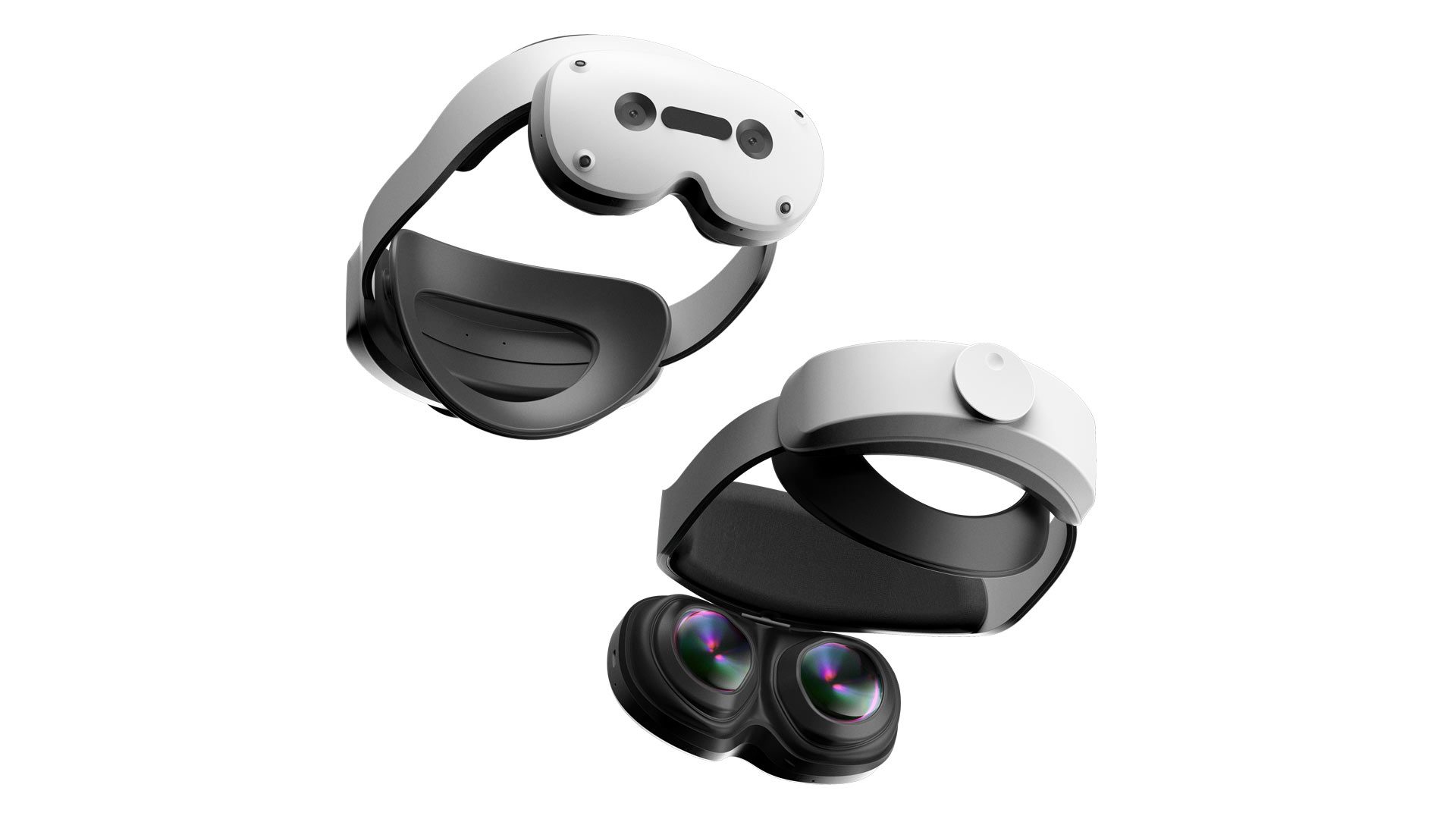
Lynx R2 | Image courtesy Lynx Mixed Reality

Road to VR initially reached out to Lynx when a similar posting was made last week, however has yet to receive comment. We’ll update when/if leadership responds to our request.

Notably, SL Process is what Lynx founder and CEO Stan Larroque calls in his personal blog a “shell company” which acts as a parent company to Lynx Mixed Reality.

While the exact reasoning behind the filing remains unclear, it may have something to do with Google reportedly pulling its support for Lynx-R2, which was initially supposed to launch running the Android XR operating system.

SEE ALSO
Meta is Deleting 'Horizon Workrooms' Next Month as Metaverse Ambitions Cool

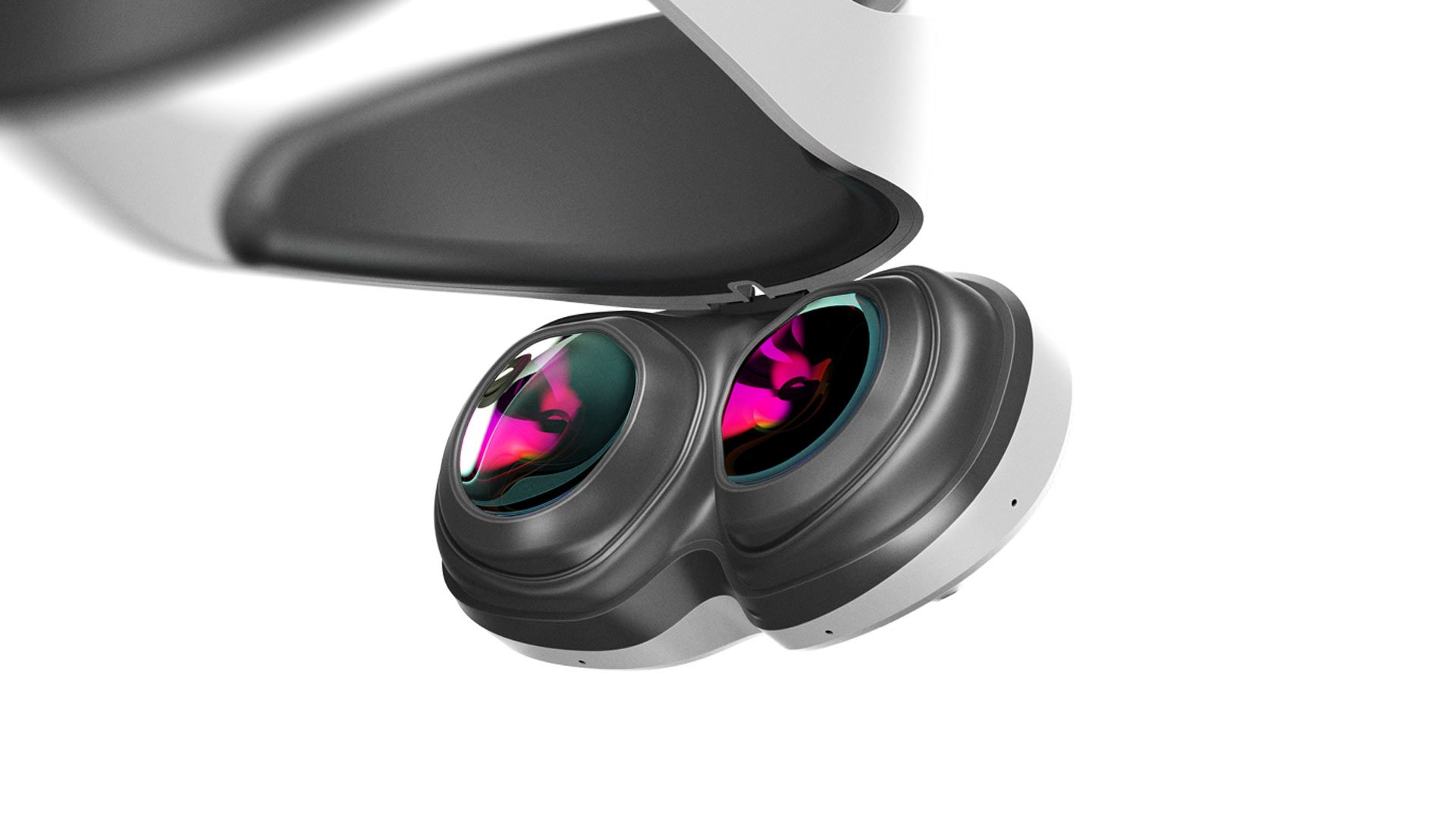
Lynx-R2 was slated to launch sometime later this year, featuring 126° horizontal FOV with unique aspheric pancake lenses, paired with a Snapdragon XR2 Gen 2 chipset, 16GB RAM, and full-color pass-through.

As noted by UploadVR in November though, Lynx revealed that Google “terminated Lynx’s agreement to use Android XR,” something the XR hardware maker called a “surprising turn of events” at the time.

If confirmed, the liquidation of SL Process could effectively mark the end of Lynx as an independent XR hardware maker, capping off one of the few European attempts to bring a standalone XR headsets to market—something Larroque characterized in 2024 as an “excruciating” fundraising environment.

Although the company managed to attract additional funding outside of R-1’s successful Kickstarter campaign from late 2021, which brought in $800,000 in crowd funds, Crunchbase data indicates the French startup only managed to attract $6.8 million in funding to date.
This article may contain affiliate links. If you click an affiliate link and buy a product we may receive a small commission which helps support the publication. See here for more information.

Well before the first modern XR products hit the market, Scott recognized the potential of the technology and set out to understand and document its growth. He has been professionally reporting on the space for nearly a decade as Editor at Road to VR, authoring more than 4,000 articles on the topic. Scott brings that seasoned insight to his reporting from major industry events across the globe.
  • xyzs

    They probably failed largely because in this communist failing country, companies pay so much tax, even during incubation, that it is near impossible to make any profit. People have no idea how taxation is a pur mafia scam in this country.

    French entrepreneurs are either masochist or crazy.

    • Christian Schildwaechter

      EssilorLuxottica, Meta's partner for smartglasses and the owner of the Ray-Ban and Oakley brands, is a French-Italian holding company located in/near Paris/France, generating USD 28B in revenue in 2025, and apparently growing fast esp. in the smartglasses segment, with close to 18,000 stores worldwide.

      The company is the result of a merger between Essilor and Luxottica in 2018, with the combined revenue roughly tripling since 2014. Which makes them very rich crazy masochists despite taxes that are rather high even compared to other European countries.

    • Well, there are pros and cons about France. You said the cons, but the pro is that there are a lot of grants and regional-national support initiatives that can help a startup get funds. Check out the official documents of Lynx… you can find about millions of euros of public money given to them.

  • zaelu

    hahahahahahahaha

    man I called it.

    Watch out for Bigscreen Beyond and Pimax now :D :D

    • NL_VR

      So whats the funnu part in this except you felt you called it?

    • Christian Schildwaechter

      TL;DR: Meta is probably the worst example for how to run a financially viable VR company, others can do much better with a small fraction of the money by listening to their customers.

      Both Bigscreen and Pimax have delivered HMDs that people actually buy, and not based on expensive self-developed technology like the Lynx R1 lenses, but using readily available components like the SeeYa 2.5K microOLEDs used in the Beyond, which keeps down costs. The road was somewhat bumpy, with Bigscreen getting booted out of their original movie business by Meta, and Pimax having a reputation for delivering promised features very late. They are both still running on venture capital, but target specific niche markets with higher prices, so unlike Meta they will probably make at least some money from selling their HMDs.

      A smaller company can stay afloat like that for quite some time. Pico collected a total of USD 87.2M over several venture capital rounds, which was enough to run the company from 2015 until it was bough by ByteDance in 2021, and during that time release several 3DoF/6DoF HMDs (more than Meta vr-compare_com/manufacturer/pico), incl. the Pico Neo 3 Link as the still only standalone HMD that featured DP-in by default, for their first careful expansion outside of China.

      In contrast Oculus had by late 2013 already collected USD 91M in venture capital on top of the USD 2.4M from the DK1 Kickstarter, several months before Facebook bought them. There is a theoretical alternative timeline where Facebook never paid USD 2B for Oculus, and the company had to instead release a much simpler Rift closer to the DK2 in 2014 that served mostly as a PC peripheral for playing early hybrid games/VR mods with a gamepad. They might have slowly gained a niche market share instead of going full in with Facebook money, redoing the Rift CV1 for a more polished 6DoF room scale HMD, and entering a mobile VR partnership with Samsung for the 2015 Gear VR that released even before CV1, and then immediately throwing everything on mobile VR to appease Meta's new platform goals.

      So don't count Bigscreen or Pimax out too early, esp. now that Meta itself no longer seems to be willing to skew the VR market in its favor by heavily subsidizing hardware and software, leaving others (originally) aiming for a mass consumer market like Lynx basically no chance. A clever company can survive by delivering a high value product to a specific audience willing to pay a decent price for it, they just have to listen to what their customers actually want (very light HMD/very large FoV), and keep the scope within their (financial) limits.

      • XRC

        Pimax have raised about $90 million since their Inception, and no doubt benefit from government backed industrial parks, tax incentives and investment.

        About to receive my lighthouse tracked Dream Air, which is going to be very different to my previous Pimax headsets.

  • Oxi

    That's a shame. I hope another viable small player buys the IP, or maybe even someone like Valve in order to help foster open source solutions for things like camera tracking.

    • Christian Schildwaechter

      Lynx already published several of their own developments as open source, like their 6DoF positional tracking for HMDs using Qualcomm chips. Several of these are available on their github page, so we don't even need a benevolent buyer to prevent them from getting lost. Valve buying the remains would still be a great, even though they most likely already created their own FOSS alternatives for Frame. github_com/Lynx-MR

      It's unfortunate that Lynx are now going down, but it was apparent that they never made a profit, even after mostly retracting to the professional market like HTC did. The history of both the R1 and R2 HMD was a story of endless delays that resulted in finally releasing already rather outdated hardware with still lots of glitches. Not a good thing in a market where hardware either has to be subsidized to sell to consumers, or the company has to guarantee rock solid long term service to provide the planing security large enterprise customers seek.

      And I'm wondering wether the connection to Google dropping them from Android XR wasn't the other way around: not Lynx going bankrupt because the no longer could lure investors with the prospect of shipping one of the first Android XR HMDs, but Google no longer believing they would be able to ship and maintain any HMD in a decent state due to lacking financial resources, which in the end might have fallen back onto Android XR/Android with bad reviews of the R2.

  • NL_VR

    expecting an american or chinese company buy the tech…
    Its sad this type of industry cant seem to work in Europe.
    Europe needs to make them free from US and chinas as much as posible but never seem able to.

    • Christian Schildwaechter

      Given that Quest was paid for with Facebook/Instagram ad money, and Pico with TikTok ad money, and Play for Dream XR with venture capital collected during the short XR boom that followed the AVP presentation, this type of industry can't seem to work in the US or China either without someone very big willing to float the bill.

      There are very few electronics/digital giants in Europe with deep enough pockets to throw billions at XR for years, and none of those seem interested. There are still a few European HMD manufacturers left like Varjo from Finland or Vrgineers, originally from the Czech Republic, but these are all targeting the very high end VR/XR market with mostly enterprise and/or military applications.

  • Yeah, I reported it in my newsletter, it is sad news. It is no surprise that you got no answer from them: usually a company under liquidation stays mostly silent about its situation.