Meta Aims to Double, Possibly Even Triple Smart Glasses Production This Year

4

Meta and EssilorLuxottica are potentially set to double the expected production target for their smart glasses, according to a recent Bloomberg report.

Citing people familiar with the matter, the report maintains Meta has suggested increasing annual capacity to 20 million units by the end of 2026, as the company hopes to seize growing consumer interest in smart glasses.

Additionally, the report maintains that, provided demand is strong, capacity could exceed 30 million units. Talks are said to still be ongoing, Bloomberg says.

Ray-Ban creator EssilorLuxottica noted in February 2025 that it was ramping up production capacity to 10 million annual units by the end of 2026.
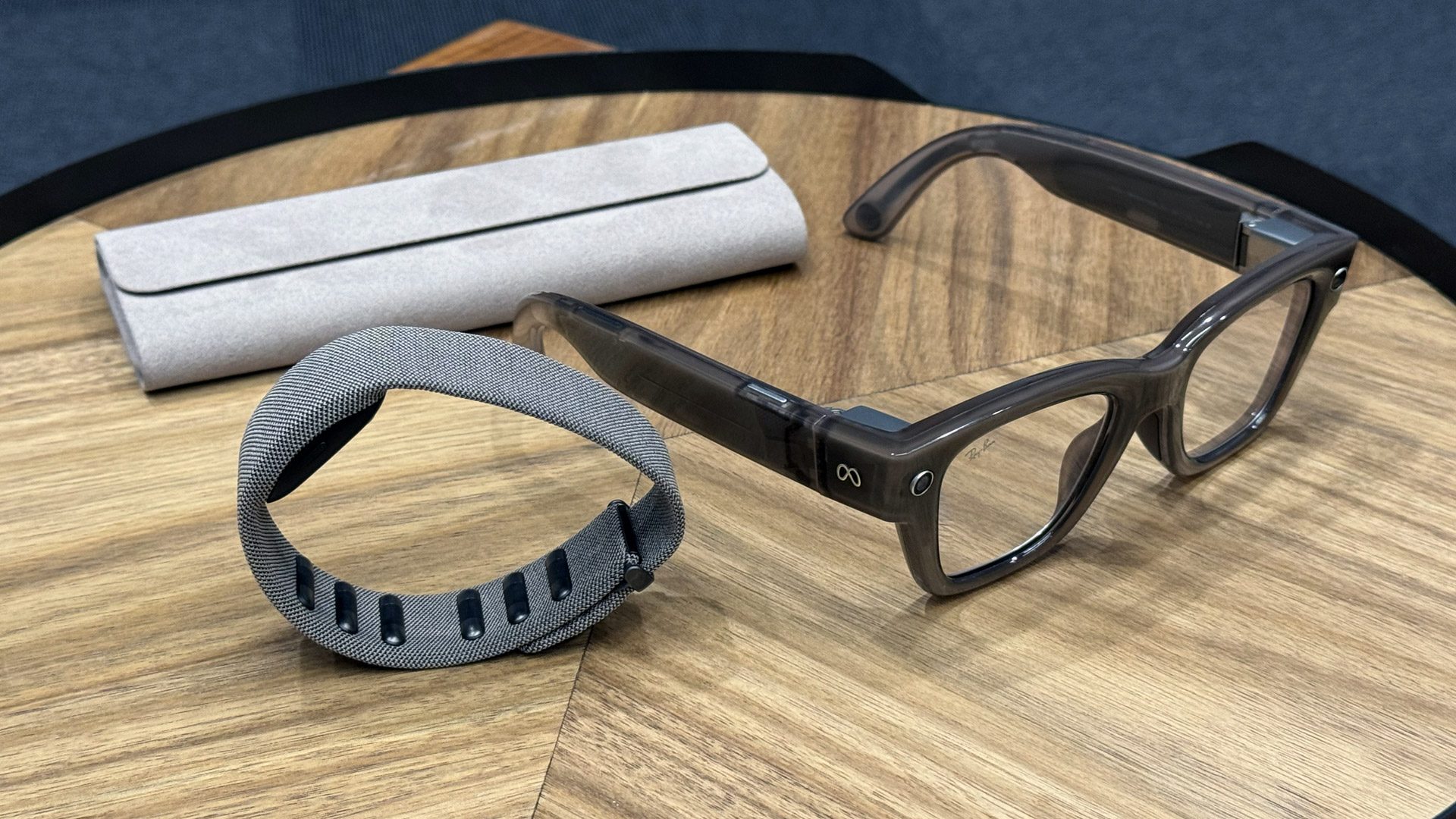
Meta Ray-Ban Display & Neural Band | Photo by Road to VR

The 10 million figure already represented a significant push past its 2 million units sold following the 2023 release of the first-gen Ray-Ban Meta smart glasses.

Currently, Meta and EssilorLuxottica offer two fundamental smart glasses types: audio-only AI centric frames, styled in both Oakley and Ray-Ban variants, and Meta Ray-Ban Display, which includes a single full-color display embedded in the right lens.

SEE ALSO
'VRChat' Officially Releases on Android & iOS, Making Way for Next Big User Surge

This comes amid news that Meta is pausing the international rollout of the $800 Meta Ray-Ban Display smart glasses, which was set to arrive in the UK, France, Italy and Canada sometime in early this year. The company maintains the pause was due to “unprecedented demand and limited inventory.”

Meanwhile, Meta is laying off around 10 percent of staff at its Reality Labs XR division, according to a New York Times report. The move is seen as a strategic shift, moving focus from VR and its metaverse ambitions to AI and smart glasses.


This article may contain affiliate links. If you click an affiliate link and buy a product we may receive a small commission which helps support the publication. See here for more information.

Well before the first modern XR products hit the market, Scott recognized the potential of the technology and set out to understand and document its growth. He has been professionally reporting on the space for nearly a decade as Editor at Road to VR, authoring more than 4,000 articles on the topic. Scott brings that seasoned insight to his reporting from major industry events across the globe.
  • Christian Schildwaechter

    I have no doubt that smartglasses are selling much better than VR HMDs, being way less intrusive. And given that the Meta Ray-Bans are also sunglasses, they will be a better investment even if nobody uses the smart features, while a Quest sitting on a shelf only collects dust. And I actually believe that they can be very useful, and people use them at least for taking pictures.

    But I still need to see some actual usage statistics. Quest sales were sort of inflated by parents buying them as Christmas presents for their teenage kids, so there was quite some disparity between Quest owners and active Quest users once the VR enthusiasts became outnumbered by more casual and usually younger users. Meta aiming for 10M smartglasses sold each year clearly hints that there is a lot more market potential than with VR HMDs, but says very little about how they will be used, which is quite important for the success of these devices.

    90% of the Oculus Go use was for watching movies, not a good sign for mobile VR. If 90% of the use of Meta Ray-Bans is as sun glasses, and another 8% for taking pictures, I would doubt that another round of investing billions into these devices plus the very expensive data centers for the AI driving them, will lead anywhere. Just as a reminder: 2011 the Microsoft Kinect 360 earned a Guinness world record for the "Fastest-Selling Consumer Electronics Device" after selling 8M units in just 60 days. Selling something that looks like a cool idea, and it doing what people hope it does and then keeping them using it for more than the initial WOW phase are two very different things.

    • Herbert Werters

      Yes, I see it exactly the same way, and I don't think smart glasses will be much more successful than VR glasses.

  • Max-Dmg

    Their software will be as sh*t as all of the rest of their software, and designed by students.

  • Foreign Devil

    I'll hold out to see what Google/Alphabet offers. I'd like prescription glasses with the best AI models that can see what I can see and give me instructions when I do renovations for the first time on my home and help with live translations when I'm speaking to my Chinese inlaw.